
MENU
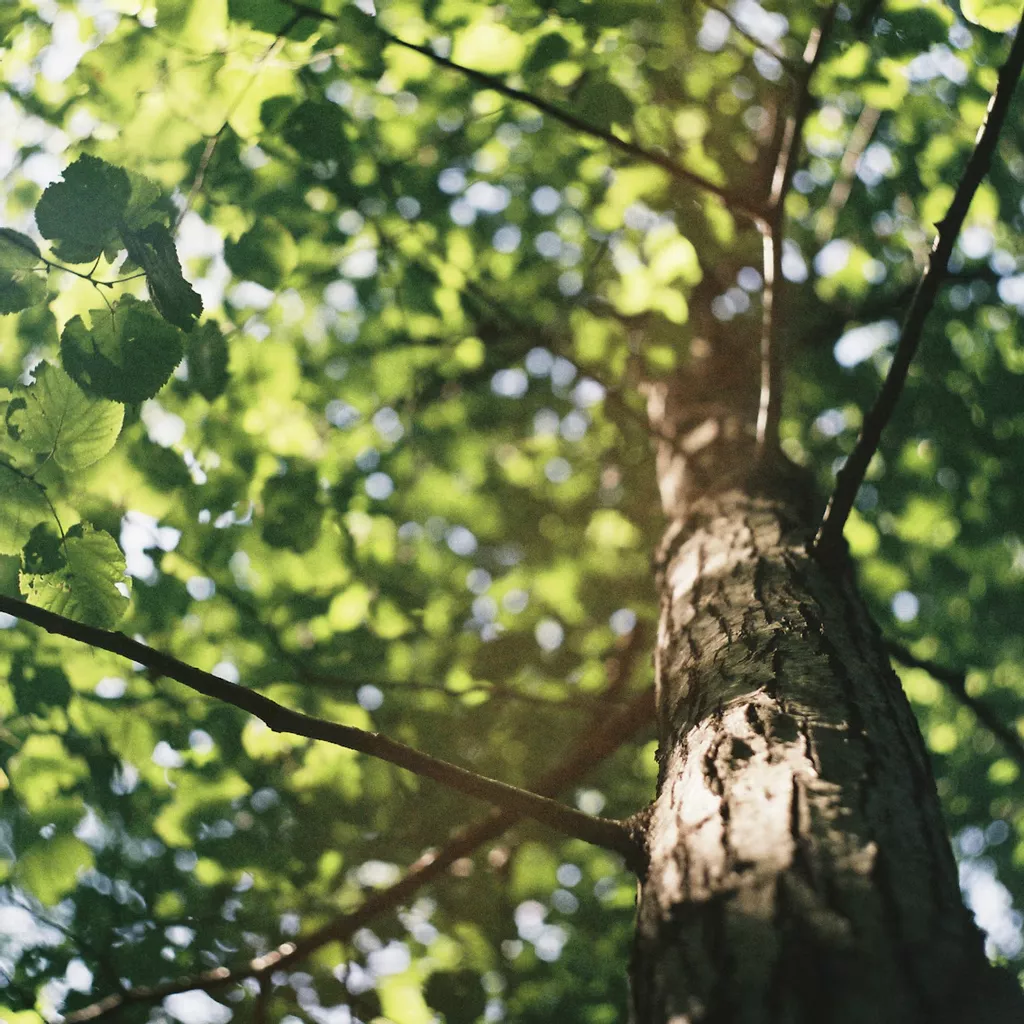
Knowing when to prune a tree can make a real difference to its health, shape and long-term growth. Whether you have an overgrown tree in your garden or want to maintain trees around a commercial property, the right timing depends on the species, the work required and the condition of the tree.
For homeowners in Cheshire, understanding a few basic principles can help you plan tree maintenance and avoid unnecessary damage.
There isn't one ideal pruning month for every tree. Different species respond differently to pruning, so it's important to consider the type of tree and the purpose of the work.
Many deciduous trees are commonly pruned during the dormant season, when they've lost their leaves. With less foliage in the way, the tree's branch structure can be easier to assess.
Winter pruning may be suitable for certain maintenance tasks, but it isn't automatically the best choice for every species or situation.
Some trees are better suited to pruning at other times of year. For example, the Royal Horticultural Society recommends pruning cherry and plum trees from April to July to reduce the risk of silver leaf disease.
Light maintenance may also be appropriate during the growing season, depending on the tree and the work required.
Before pruning, it's important to understand the tree's growth habits and avoid removing too much healthy foliage.
Evergreen trees and conifers have different growth patterns from deciduous trees. Some respond well to light trimming during the growing season, while others won't regenerate readily from old, bare wood.
This is particularly important when dealing with overgrown conifers. Cutting too far back can leave permanent bare patches rather than encouraging a dense, healthy appearance.
Wild birds, their eggs and their nests receive legal protection in the UK. It is an offence to intentionally damage or destroy a nest while it's being used or built.
Birds can nest in trees and dense vegetation at different times of year. Before starting pruning or removal work, appropriate checks must be carried out, and work may need to be delayed if an active nest is present.
Don't assume a tree is clear of nesting birds simply because it's winter or because no nest is immediately visible.
Yes, appropriate pruning can help manage a tree's size and structure, improve clearance and remove selected dead, damaged or crossing branches.
Depending on the tree and your objectives, a tree surgeon may recommend:
Crown reduction: reducing the overall size of the canopy while retaining a suitable natural shape.
Crown lifting: removing selected lower branches to improve clearance.
Crown thinning: selectively removing branches to reduce canopy density.
Deadwood removal: removing dead branches where appropriate.
These are different techniques, and the right approach depends on the species, condition and location of the tree. Excessive pruning can damage a tree's structure and appearance, so work should be planned carefully.
Before carrying out significant tree work, check whether the tree is protected by a Tree Preservation Order or is located in a conservation area.
Depending on the circumstances, you may need the local planning authority's consent or to give notice before proceeding. Wildlife protections must also be considered.
You can find official guidance on Tree Preservation Orders and trees in conservation areas.
Consider seeking professional advice if the tree is large, close to buildings, has damaged branches, has become overgrown or requires work at height.
A professional assessment can help identify the most appropriate pruning method and establish whether any additional checks are needed.
Regular, well-planned tree maintenance can help keep trees manageable while respecting their natural growth and surroundings.
If you need advice about an overgrown tree or want to arrange tree pruning, contact JEC Tree Services to discuss your requirements.
Get in touch with JEC Tree Services to discuss tree pruning and maintenance in Cheshire.